
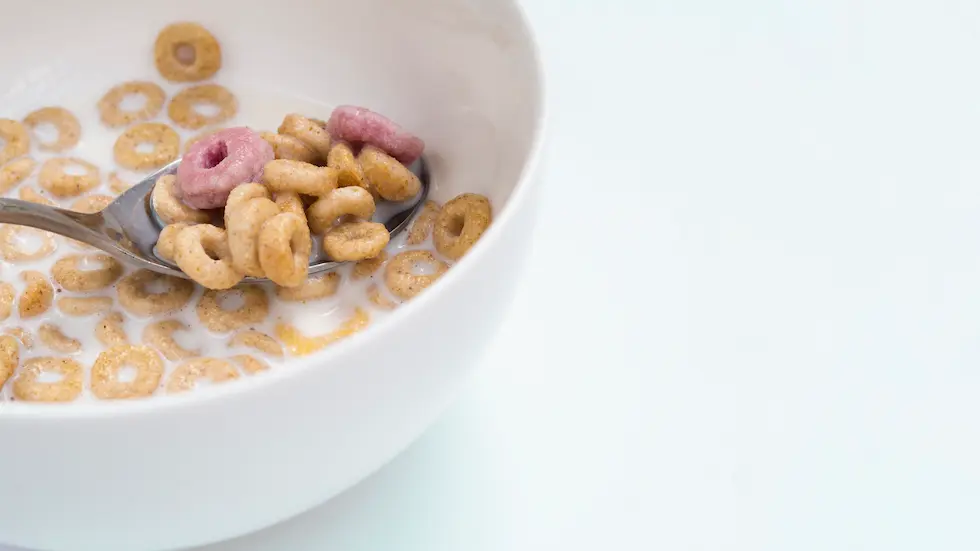
Is breakfast the most important meal of the day? – We’ve all heard the phrase: But where did it come from, is it universally true, or might it even be unhelpful in some cases? And what actually matters more—what you eat when you break your fast, rather than precisely when you do it.
I always teach my clients to tune in to their own bodies so that we can create a truly client-centred approach to eating. We are all unique. Yet despite our differences, there’s one myth I hear time and time again — “Is breakfast the most important meal of the day?”
My answer is usually simple: Do you wake up hungry?
If you don’t, why ignore your cleverly designed body and force it to eat?
So many parents worry about sending their children to school on an empty stomach and end up insisting they eat something, even when they’re not hungry. Instead send them with a little bag of nuts that they can snack on in class until they get to their lunch box at first break. Teach your children to listen to their bodies not overide them.
Origins: How the Idea Took Hold
- Historical context: Long ago, many societies didn’t emphasize a large morning meal. For example, in medieval Europe breakfast was often modest or even skipped entirely, seen by some as indulgent.
- Industrialization & regular work schedules: As people moved to cities and work hours became more fixed, the idea of sitting down to eat in the morning before heading off to labor or work became more common.
- Marketing campaigns: Perhaps the strongest force behind solidifying the breakfast myth was food marketing. In particular, cereal companies in the early to mid-20th century invested heavily in promoting ideas like “Nutrition experts say breakfast is the most important meal of the day” to drive sales.
So, while there are physiological arguments in favor, much of our current belief comes from a mix of social change + commercial interest.
What Conditioning Has Done
- Many people wake up feeling conditioned to eat, even when not hungry, because of cultural, familial, or social expectations. Families, schools, media all reinforce the message.
- The typical “breakfast foods” have become highly sweet or carb-heavy (sweet cereals, pastries, pancakes, fruit juices). These tend to spike blood sugar quickly which leaves you craving more within an hour.
- Over time, breakfast becomes a signal (“switch”) that the day has started, stimulus for appetite, sometimes regardless of actual physiological need.
Sweet vs Less Sweet Breakfasts
- I love the glucose goddess. Have a look at this video that explains why what you eat when you break the fast is important. A high glucose spike in the morning sets you up for a glucose roller coaster day, causing cravings & energy dips. Glucose Goddess Breakfast Tips
- A study (“Effect of Sugar versus mixed Breakfast …”) showed that breakfasts with more complex/varied composition (eg yoghurt, chopped apple and crushed nuts) led to more stable glucose and insulin responses and better suppression of ghrelin (the hunger hormone) than sugary or simple breakfasts (eg: oats/cereal with sugar).
To eat or not to eat – first thing in the morning
- If someone is practicing intermittent fasting (IF) and it suits their lifestyle, skipping morning meals can be beneficial, especially if the first meal provides sufficient nutrients and is timed and planned appropriately.
- For some people, eating too early when not hungry may lead to overeating later in the day, or reinforce unhealthy sweet breakfast habits which trigger blood sugar peaks and subsequent crashes (cravings, energy dips).
- Emotional eaters often have “food noise”. This would be thoughts of “what shall I eat, what have I eaten, am I hungry, I am craving something, I can’t stop snacking”. Often those who wait to eat later in the day find that that food noise can quieten in the morning.
- TIP: When skipping breakfast set an in intention for what kind of meal you will have when you do break the fast. Keep full on tea or coffee or even better water.
- Mornings for most people are busy. Shoving food in one’s mouth without even tasting, while rushing to get to work/school lift etc will not serve you. Rather pack a breakfast and eat when you are calm and settled so you can focus on mindful eating.
What Really Matters: What You Break Your Fast With, Not Just When
From the evidence:
- Macronutrient composition: Protein + fibre + healthy fats help stabilize glucose and reduce hunger. Simple sugars (especially in isolation eg breakfast cereal) spike glucose and insulin quickly, followed by drops that trigger appetite.
- Individual variation: Age, gender, work schedule, metabolic health, personal preferences, and habits matter. Someone who is not hungry in the morning may do better skipping, others may find breakfast helps them avoid overeating later. Work with your health coach to work out what would be the best approach for you.
Sweet Breakfasts & the Glucose Roller Coaster
- Foods high in sugar lead to rapid rises in blood glucose → insulin response → quick drop in blood sugar (“crash”) → cravings.
- This cycle leads to a drop in energy, mental clarity and your “full” signals. For many people, it means overeating later or choosing more sugary snacks.
So in conclusion
- The belief that it must be done first thing, no matter what, largely comes from social, historical, and marketing forces and not purely physiology.
- What really matters is what you eat when you break your fast, how often, and whether it supports steady energy, hunger control, and metabolic health.
- Listen to your body. If you are hungry do not override your body’s signals. Honour what your body is telling you.
- Each person is unique and what works for one might not work for another. Most of my client’s extend their fasting period (since dinner) to mid morning or lunchtime but I also have client’s who have slow mornings and take the time to sit and really enjoy breakfast mindfully. Work with your coach to see what will work best for YOU,.
Practical Tips for Clients
- If you do eat breakfast, focus on whole foods, protein, fibre, healthy fats, and avoid high carbohydrate ultra processed foods like cereals or cereal bars.
- If you don’t feel hungry in the morning, consider starting your eating window a little later (as in many IF plans), and break the fast with a nutritionally dense first meal.
- Observe how your hunger, energy, mood, and cravings behave across the day depending on whether you eat early or skip breakfast.
- Oats are a no no as they are a starch. If you however up the fibre, protein and fat to it you will flatten the glucose curve. Don’t let the oats take centre stage. SO I would suggest about 100g of cooked oats for taste and two tablespoons of crushed nuts & a scoop of protein powder.
- If you have fruit make sure you add yoghurt and crushed nuts. Best choice of fruit would be berries.