
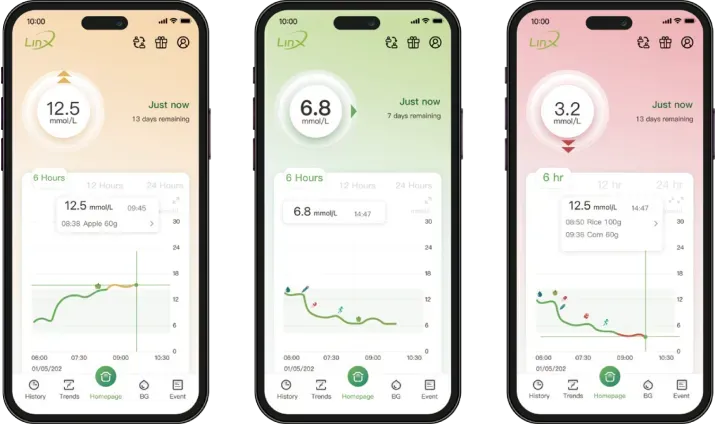
Tracking Your Glucose Spikes can give a huge amount of insight as to where you might be going wrong with your eating habits. Most of us have been taught to think about calories or carbs when it comes to food (in the eighties it was all about fat) but the real story of health, energy, and weight loss lies in how your blood glucose responds after you eat.
Every meal you eat causes your blood sugar to rise and fall, and those rises or “glucose spikes” can reveal a huge amount about your metabolism, energy, cravings, and even your mood.
As a health & weight loss coach, I use continuous glucose monitoring (CGM) with many of my clients to help them understand these patterns in real time. The results are always enlightening and often life-changing as the client can analyse their own data, make changes and see the results. This can be hugely motivating when it comes to weight loss & behaviour change.
What Are Glucose Spikes and Why They Matter
When you eat carbohydrates, your body breaks them down into glucose (sugar), which enters the bloodstream. In response, your pancreas releases insulin, the hormone that helps move glucose from the blood into your cells for energy.
A glucose spike happens when blood sugar rises sharply after eating, especially if the food is high in refined carbs or sugar. Occasional spikes are normal, but frequent or extreme ones can take a toll on your body over time.
The Hidden Effects of Glucose Spikes
Repeated spikes set off a cascade of biological stress responses:
- Energy crashes: After a big spike, your glucose can drop rapidly leaving you tired, foggy, and irritable.
- Increased hunger and cravings: Falling blood sugar triggers your brain to seek more quick energy, often in the form of sugar or refined carbs.
- Fat storage: High insulin levels encourage the body to store fat, especially around the abdomen.
- Inflammation: Frequent spikes promote oxidative stress and inflammation, which accelerate ageing and damage tissues.
Over time, this pattern can lead to insulin resistance, where the body stops responding properly to insulin. This is the gateway to a cluster of conditions known as metabolic disease.
The Risks of Metabolic Disease
Flattening your glucose curve isn’t just about weight – it’s about long-term health. Chronic glucose spikes increase your risk of:
- Type 2 diabetes
- Heart disease
- Fatty liver disease
- Polycystic ovary syndrome (PCOS)
- Alzheimer’s and other cognitive decline (sometimes called “Type 3 diabetes”)
- Hypertension and obesity
These conditions develop silently for years, often starting with subtle glucose imbalances that a CGM can reveal early on.
Glucose, Mood, and Mental Health
What happens in your bloodstream affects what happens in your brain.
Sudden glucose swings can trigger mood instability, anxiety, and poor concentration (the “brain fog” many people blame on stress or hormones). Stable glucose means more stable energy and calmer moods.
This link is especially important for women in menopause, when fluctuating estrogen and progesterone can worsen insulin resistance. Balancing blood sugar helps smooth out mood changes, improve sleep, and reduce hot flashes and fatigue.
Why Flattening the Glucose Curve Helps
Learning to flatten your glucose curve by keeping blood sugar more stable throughout the day can transform how you feel:
- Fewer cravings and afternoon crashes
- Better concentration and consistent energy
- Improved fat metabolism and easier weight loss
- Reduced inflammation and healthier skin
- More balanced hormones and mood
If the ketogenic lifestyle does not work for you then there are some changes that you make to flatten that glucose curve.
Simple changes can help:
- Pair carbs with protein, fat, or fibre
- Don’t let carbs take centre stage of your plate.
- Eat vegetables first, carbs last
- Take a 10-minute walk after meals
- Prioritise sleep and stress management, which both affect glucose levels
How Continuous Glucose Monitoring (CGM) Works
A Continuous Glucose Monitor is a small sensor (usually worn on the upper arm) that measures your glucose levels throughout the day and night. You can see, in real time, how your body responds to different meals, exercise, stress, or sleep.
Instead of guessing what’s “healthy,” you can see your personal data — the exact foods that cause your spikes and the habits that stabilise you. Remember we are all unique so two people who eat the exact same meal might have different results.
The brand I use with my clients is Linx CGM — it’s simple, accurate, and connects to an app that makes it easy to track your glucose levels. It’s a powerful tool for anyone wanting to optimise their energy, manage weight, or prevent metabolic disease.
The Takeaway
Glucose stability is one of the most powerful yet overlooked pillars of health.
By tracking your glucose spikes and learning what works for your unique body, you can reduce cravings, improve mood, balance hormones, and protect yourself against chronic disease.
It’s not about perfection — it’s about awareness. Once you can see your body’s data, you can finally start working with it, not against it.